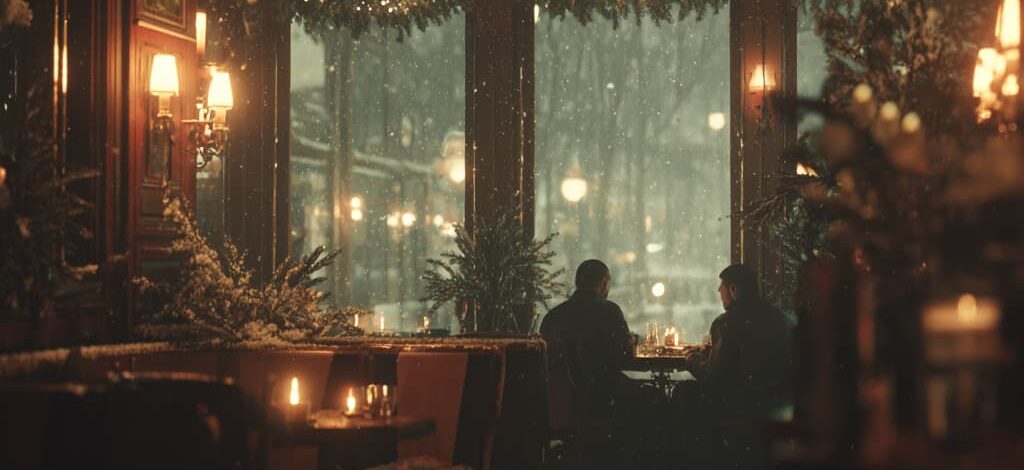
As temperatures drop and nights grow longer, the bar scene transforms. Customers seek warmth, comfort, and atmosphere – a place that feels both festive and cozy. For bar owners, the winter season is a prime opportunity to refresh the space, reinvent the menu, and offer experiences that drive repeat visits. Preparing a bar for the winter months goes far beyond turning up the heat. It’s about crafting a sensory experience that combines visual warmth, seasonal flavors, and a welcoming environment that fits the mood of the season.
Setting the Winter Mood: Thematic Décor that Invites Warmth
Winter décor doesn’t need to rely on clichés like tinsel and fake snow. Instead, aim for subtle visual cues that evoke comfort and sophistication. Think natural textures – wood, linen, candlelight – and layered lighting that creates intimacy.
- Lighting: Dim, warm-toned lights set the mood for longer evenings. Add string lights or small table lamps with amber shades to create pockets of soft illumination.
- Textures: Replace bright summer fabrics with wool, velvet, or tweed cushions. Introduce blankets or throws in muted tones for lounges or outdoor terraces.
- Colors: Deep greens, burgundy, gold, and charcoal can enhance the seasonal aesthetic. A few metallic accents, such as brass candle holders or copper mugs, create visual warmth.
- Scent and atmosphere: Subtle scents like cinnamon, vanilla, or wood smoke can elevate the sensory experience. A bar that smells inviting often feels more memorable.
Décor is not just visual; it’s emotional. Customers visiting in winter want to feel enveloped in warmth and comfort. Even small changes – switching from glass to ceramic cups for hot drinks, adding pine or fir garlands, or adjusting background music toward softer acoustic or jazz tones – can redefine the entire ambience.
Reinventing the Menu: Crafting Winter Cocktails That Tell a Story
A well-designed winter cocktail menu can become a key driver of customer loyalty and revenue. During the colder months, patrons are drawn to rich flavors, aromatic spices, and comforting ingredients. The goal is to blend familiarity with surprise – to offer something both seasonal and distinctive.
Core principles for a winter menu:
- Warm and spicy profiles: Drinks with cinnamon, nutmeg, clove, and star anise evoke the spirit of the season.
- Hot cocktails: Mulled wine, Irish coffee, hot buttered rum, or spiked cider add novelty and comfort.
- Creamy and rich options: Eggnog variations, Baileys-based desserts, or cocktails with chocolate, honey, or cream appeal to indulgence.
- Citrus balance: While heavier drinks dominate, add balance with grapefruit or blood orange infusions to cut through richness.
Example seasonal creations:
- Cinnamon Maple Old Fashioned – classic bourbon with maple syrup, cinnamon bitters, and an orange twist.
- Winter Spritz – prosecco with cranberry syrup, rosemary, and a splash of gin.
- Hot Honey Toddy – whiskey, lemon, honey, and a hint of chili for extra warmth.
- Snowfall Espresso Martini – espresso, vanilla vodka, white chocolate liqueur, and a dusting of cocoa.
Encourage the bartending team to experiment with homemade syrups and garnishes. Visual presentation is essential in winter – a cinnamon stick, rosemary sprig, or dried orange slice can turn an ordinary cocktail into an Instagram-worthy creation.
3. Food Pairings and Comfort Bites
If the bar serves food, winter is the time to lean into comforting small plates: baked brie, warm pretzels, sliders with melted cheese, or soups served in shot glasses. Even for venues focused solely on drinks, offering one or two seasonal snacks – such as roasted nuts with winter spices or chocolate truffles – can elevate the guest experience.
Pairing recommendations can also drive sales. For example, a smoky bourbon cocktail pairs well with a charcuterie board, while mulled wine complements desserts. Seasonal pairings not only enhance taste but create an impression of thoughtful curation.
Seasonal Promotions and Events
The winter calendar is rich with opportunities – holidays, New Year’s Eve, Valentine’s Day, or even random “beat the winter blues” events in January. Seasonal promotions can help maintain consistent foot traffic during months when customers may prefer staying at home.
Effective winter promotions include:
- Holiday-themed nights: Christmas karaoke, “Ugly Sweater” parties, or limited-edition cocktail launches.
- Happy hour for hot drinks: Offer discounts on hot toddies or mulled wine between certain hours.
- Gift card campaigns: Promote “Buy $50, get $10 free” offers before the holidays.
- Collaboration events: Partner with local chocolatiers or coffee roasters for cross-promotions.
- New Year countdown specials: Exclusive reservation-only events with set menus and champagne pairings.
Another growing trend is winter pop-up concepts. A bar can transform a small area into a “Winter Cabin” corner – complete with faux fur seats, candles, and themed cocktails. Temporary décor changes like this encourage social media engagement and return visits.
Marketing the Seasonal Experience
No matter how creative your winter setup is, it needs visibility. Seasonal marketing works best when it highlights atmosphere and emotion – not just discounts.
- Photography: Invest in cozy, well-lit photos of your winter cocktails and décor.
- Social media storytelling: Post “behind the scenes” reels showing the making of your seasonal drinks.
- Limited-time menus: Emphasize exclusivity – people are more likely to visit if they think they might miss out.
- Local SEO and community events: Update your Google and social listings with “winter specials” and participate in neighborhood festivities.
A strategic winter marketing plan should focus on repeat visitors as much as on new ones. Loyalty programs, personalized offers, or “return with a friend” discounts can maintain engagement beyond the holidays.
Training the Team for Seasonal Service
A well-prepared staff amplifies the success of any seasonal transformation. Train bartenders and servers to introduce new drinks confidently, describe flavor profiles vividly, and upsell pairings naturally. Small touches – such as serving drinks with a warm greeting or remembering a customer’s favorite – are even more appreciated during cold months.
Encourage staff to embody the theme. Uniform accents (like scarves or pins) and a positive attitude contribute to the sense of festivity and hospitality.
Conclusion: Turning Winter into an Advantage
Winter doesn’t have to be a slow season for bars – it can be a period of creativity, reinvention, and deeper customer connection. With the right mix of atmosphere, menu innovation, and strategic promotions, a bar can transform chilly evenings into its busiest and most profitable months.
Preparing for the season means more than decorating and changing the menu; it’s about telling a story that makes guests feel welcome, warm, and part of something special. In the world of hospitality, that feeling is what keeps them coming back – long after the snow has melted.